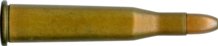
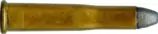
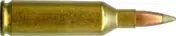
22-250 REMINGTON
| Calibre | 22-250 |
| In the cabinet | IMPERIAL SPORTING UP TO .249" · 22 images |

Research notes
The 22-250 cartridge has a long and rich history with century-old roots, and the fact that it remains popular today bears witness to its fine design – and a bit of good fortune. Way back in 1915, the 250 Savage made its appearance on the shooting scene. Designed by Charles Newton and introduced in the excellent Savage Model 99 lever-action rifle, the original cartridge used an 87-grain bullet driven at a whopping 3,000 FPS (feet per second). For that reason, Savage called it the 250-3000. At that time, velocities of 2,000 FPS were impressive, and 3,000 was sort of mind-blowing.
Although modification of this new cartridge may have begun shortly after its introduction, we don’t know much about it until the 1930s, when certain ammunition experimenters known as “wildcatters” spent considerable time and effort fiddling with the 250 Savage. Those who “necked down” the brass case to accommodate a 22-caliber bullet developed the cartridge that would ultimately become known as the 22-250 Remington. Between 1934 and 1937, different versions of 22-250 cartridges were worked on by the likes of Harvey Donaldson, Grosvenor Watkins, Jerry E. Gebby, J.B. Smith, and John Sweany. Gebby and Smith teamed up, and their 1937 version is generally accepted to be the parent of today’s 22-250. They named it the 22 Varminter, and Gebby copyrighted that name – which probably doomed the name, because gunsmiths avoided copyright infringement by marking guns with the generic-but-safe “22-250” designation. (http://www.alloutdoor.com)
The all blue primer seal was for BOSS cartridges, a South African brand during the 90's. Sometimes used imported components