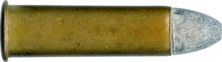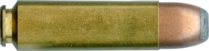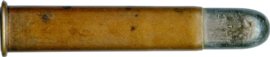









50 SPOTTER
| Calibre | 50 |
| In the cabinet | IMPERIAL MILITARY .40" UPWARDS · 24 images |
Research notes
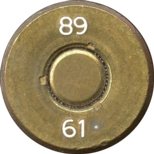
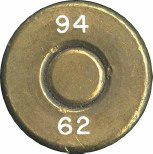
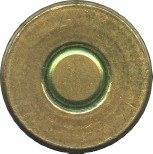
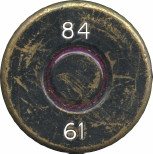
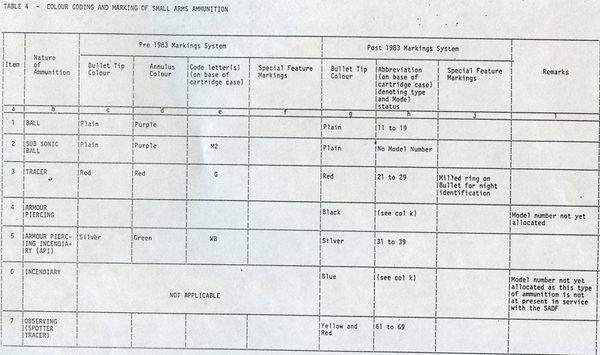
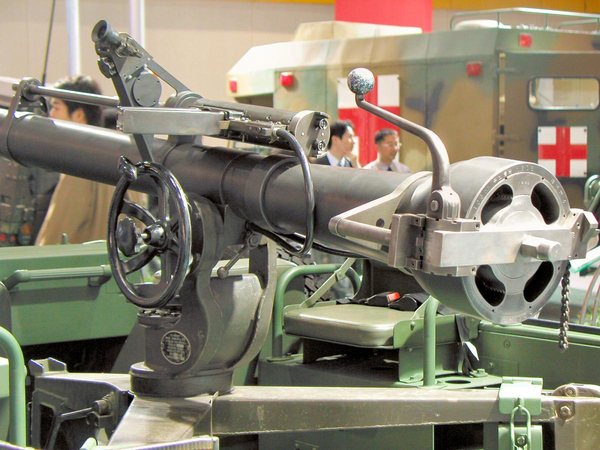
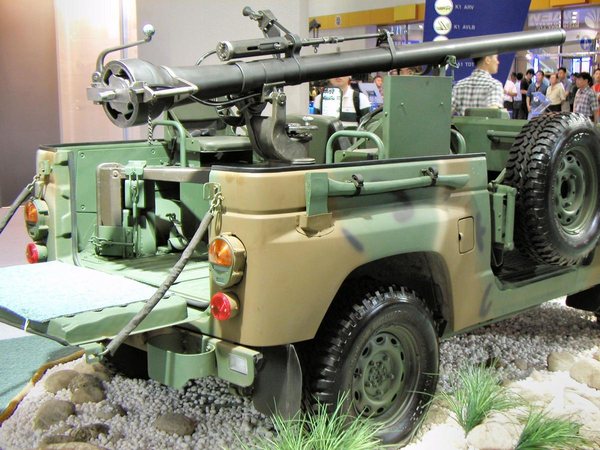
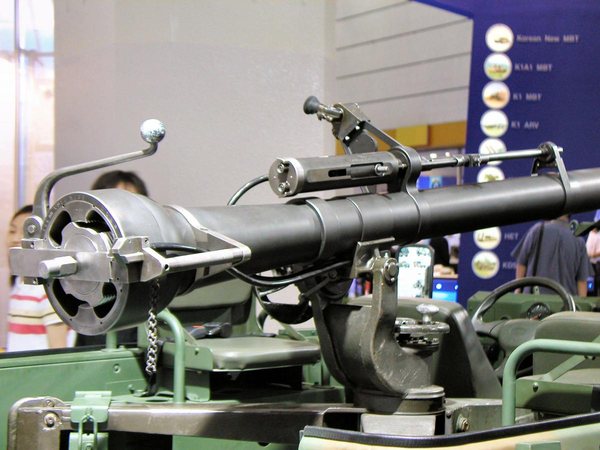
The 50 BAT (Battalion Anti-Tank) was designed during the 1950’s in the United States for use as a spotter round with the M40 106mm recoilless rifle. It has subsequently been adopted by many military powers. The specimens below are South African with the first specimen being a normal spotter with unmarked bullet and the second and third specimens spotter-tracer according to the US system with yellow over red marking. At the bottom is the page copy from Pamphlet 20, which described the change in pattern marking in the post 1983 change. It is discussed in more detail under the section regarding the development of the RSA 7.62x51 NATO round.
Spotter
The two specimens above are early South African Spotter rounds
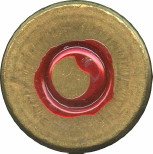
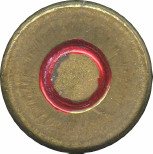
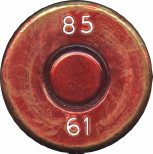
First specimen with black base is an API-HC load. Second specimen with red base is an INCENDIARY TRACER
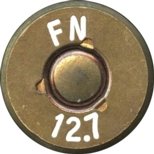
First specimen is a Belgian Spotter/Tracer and the second specimen is a German Short Range Tracer