Home /
METRIC MILITARY 7mm UP TO 7.99mm /
7 X 49 SECOND OPTIMUM (LIVIANO)
Click to zoom








METRIC MILITARY 7mm UP TO 7.99mm
7 X 49 SECOND OPTIMUM (LIVIANO)
7 X 49 · 6 headstamps · 6 scans
| Calibre | 7 X 49 |
| In the cabinet | METRIC MILITARY 7mm UP TO 7.99mm · 12 images |

Reading the headstamp
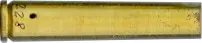
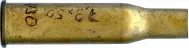
12 o'clockMaker's name or factory code
6 o'clockCalibre or year of manufacture
CentrePrimer — Berdan or Boxer, and any seal colour
Research notes
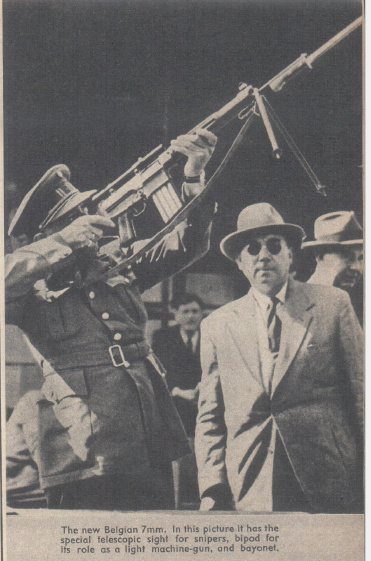
The 7x49 Second Optimum or Liviano was a development in the debate between the US and the UK in the NATO trials in an attempt to find a replacement for the 30-06 cartridge. The British opted for an intermediate type cartridge, whereas the Americans opted for a full power rifle. In an attempt to increase the performance of a 7mm round the engineers of the Belgium factory FN (Fabrique Nationale) (as member of the BBC committee) developed the 7mm 2nd Optimum. The American FAT1E1 case with a length of 49mm (necked down to 7mm) was used together with the Belgian 7mm Mauser S-12 bullet.
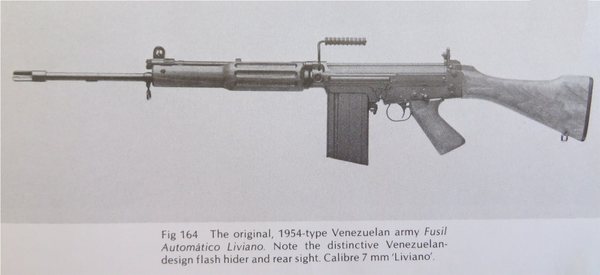
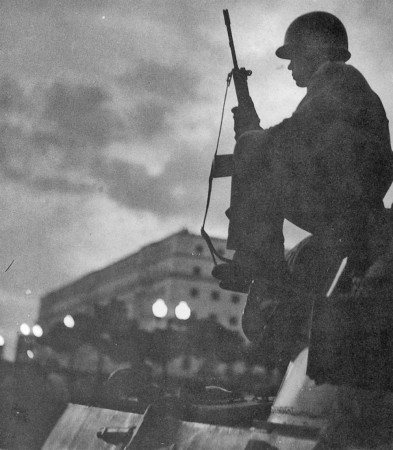
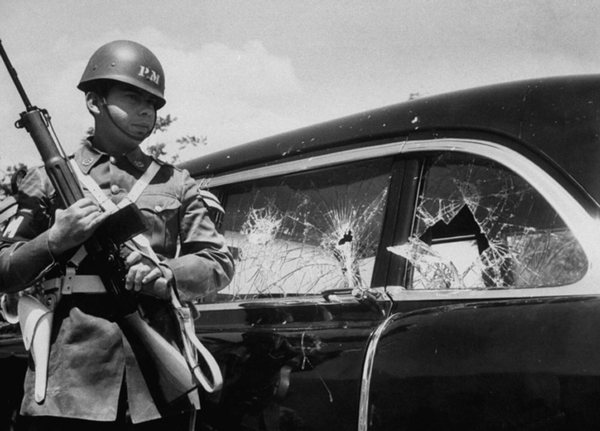
Venezuela was the only country that adopted the 7x49 cartridge for their FN rifles in 1952, only to drop it again in 1955 in favour of the 7.62x51 NATO.
Provenance
2016Catalogued in the collection
2023Record last revised · 2023-05-11
Same drawer