Home /
IMPERIAL HANDGUN .35" UP TO .399" /
357 SIG
Click to zoom
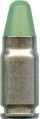
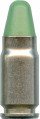

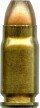
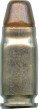
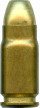


IMPERIAL HANDGUN .35" UP TO .399"
357 SIG
357 · 18 headstamps · 8 scans
| Calibre | 357 |
| In the cabinet | IMPERIAL HANDGUN .35" UP TO .399" · 26 images |

Reading the headstamp
12 o'clockMaker's name or factory code
6 o'clockCalibre or year of manufacture
CentrePrimer — Berdan or Boxer, and any seal colour
Research notes
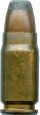
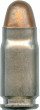
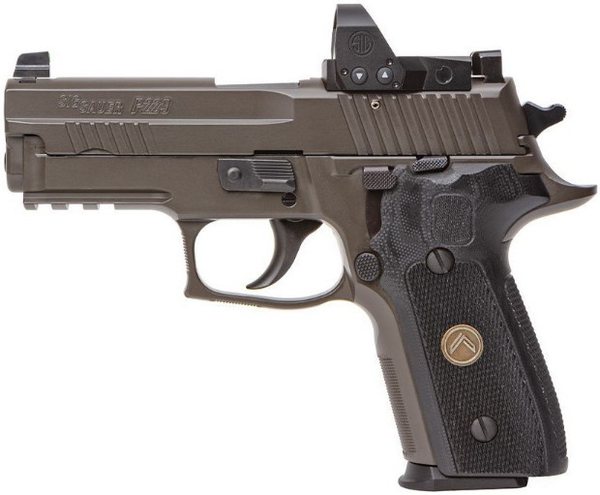
The 357 SIG was developed in 1994 in a collaboration between SIG-SAUER and Federal. As was the case with the development of the 40 S&W, references were still made to the 1986 Miami shootout and under-gunned Federal agents and 9mmP loads being under powered. The 357 SIG is the 40 S&W case necked to .357 and the idea was to mirror 357 Magnum ballistics in a compact high-magazine capacity pistol like the SIG P229. It was initially adopted by various Law Enforcement agencies like the U.S. Secret Service and Air Marshals but fell somewhat short of initial expectations, with ballistics virtually the same as modern 9mm +P loads, far below the intended goal of being comparable to the 357 Magnum.
Provenance
2024Catalogued in the collection
2026Record last revised · 2026-01-24
Same drawer