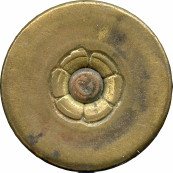

18mm FRENCH TABATIèRE
| Calibre | 18mm |
| In the cabinet | METRIC MILITARY 10mm UPWARDS · 5 images |
Research notes
As discussed before, the US Civil War was considered the turning point in history that ushered in a new era in “modern” warfare. Most importantly, it rendered the muzzle loading rifle obsolete and heralded in the era of the self-contained breechloading cartridge. Throughout the war, Europe was taking notes and the post-Civil War era represented a time of significant change and introduction of new infantry rifles throughout all the major European military powers. All of them still had vast stocks of suddenly antiquated muzzle loading rifles. At the time, it made more economic sense to convert these old rifle to percussion rifles, instead of scrapping everything and starting from scratch. Leading the field during the early 1860’s was the needle-fire rifle (Zündnadelgewehr), developed by Johann Nicolaus von Dreyse. The British were busy converting their muskets to the new Snider system, the Russians to the Krnka design, the Dutch and the Danish with their Snider conversions and the French, although adopting the Chassepot, an improved design from the Dreyse system, quickly realised after the Austro-Prussian War of 1866 that it would not be long before they were next to be on the receiving end of Prussian imperialism.
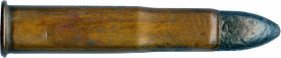
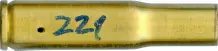
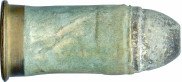
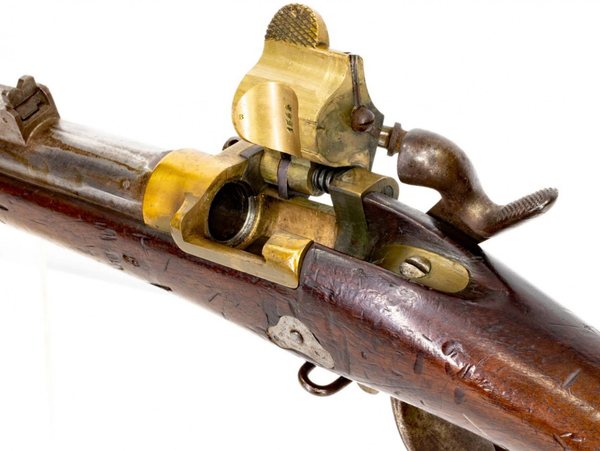
They adopted the Tabatière (“snuff box”), which was similar to the British Snider system. The Tabatière fired a very large 18mm calibre (roughly .070”) bullet, that was the largest breechloading infantry rifle cartridge to see military service. It also represented the first of the French metallic cartridge military rifles. Although an improvement over the old flintlock rifles, it was vastly inferior to the Chassepot as well as the Dreyse. It was, like many other similar conversions throughout Europe, always just going to be a short-term stopgap measure, and for the French it would be the introduction of the Gras design in 1874.
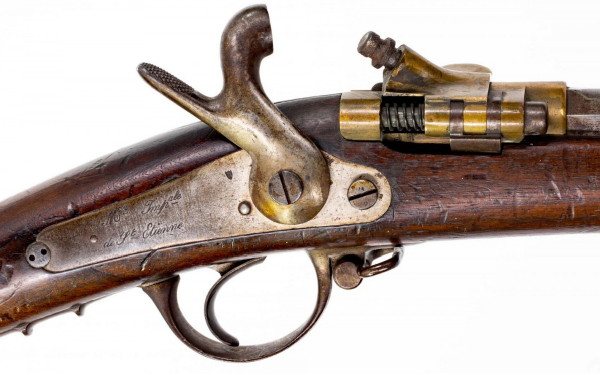
The back action lock of the gun is clearly marked in two script lines: Mre Impale / de St. Etienne, indicating the rifle was produced the National Manufactory (armory) at St. Etienne. The designation of the armory as “imperial”,rather than “national” or “royal” indicates that the rifle was produced during the period of the 2nd French Empire, under the rule of an Emperor Napoleon III from 1852-1870. For a very brief time immediately before the 2nd Empire, from 1848-1852, France was also ruled by Napoleon III, but as an elected ruler during a period known at the 2nd Republic. (www.collegehillarsenal.com)